IDRO Group presents the LCA study on LAMBDA at Ecomondo
From November 3 to 6, 2026, IDRO Group will be at Ecomondo in Rimini to present the results of the Life Cycle Assessment study developed with the Marche Polytechnic University (UNIVPM) on the LAMBDA system for digestate treatment. Ecomondo is the Green Technology Expo dedicated to the green and circular economy sectors, bringing together companies, stakeholders, the research community and institutions.
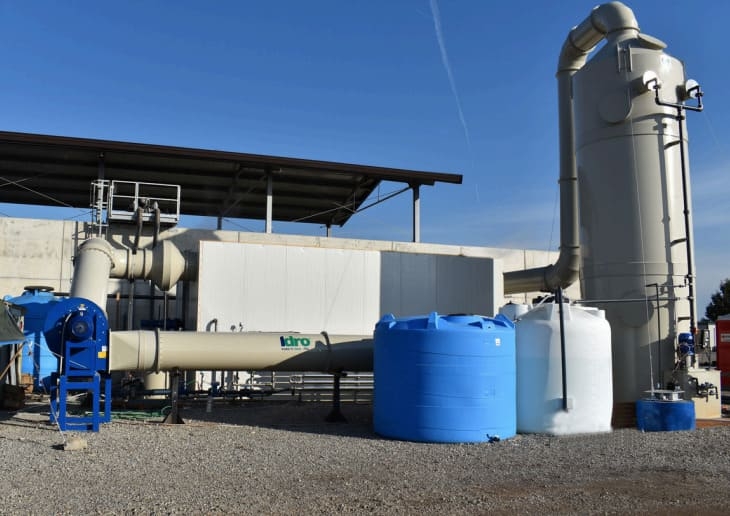
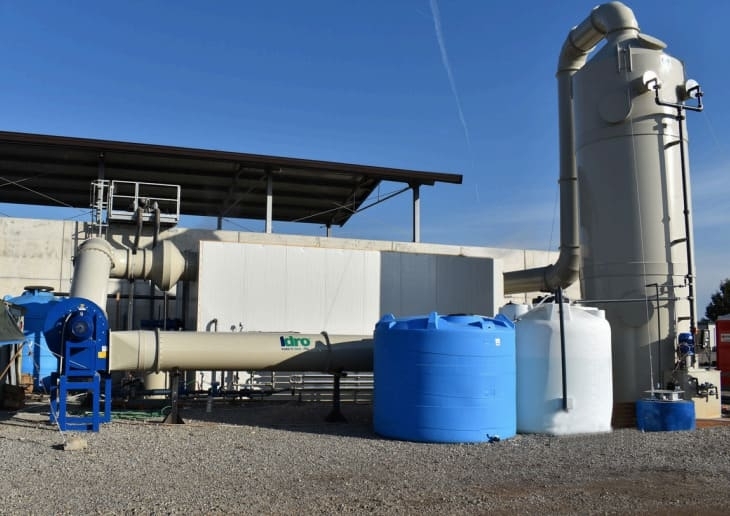
At the heart of the study is one of the most pressing challenges for the biogas and biomethane sector: improving digestate valorization by recovering nutrients and promoting the return of more organic matter to the soil. From this perspective, LAMBDA makes it possible to recover nitrogen from liquid digestate through ammonia stripping and valorize it in the form of ammonium sulfate, opening up new opportunities to integrate digestate treatment, nutrient recovery and carbon farming.
The agricultural use of digestate is constrained by nitrogen application limits, which can reduce the amount of organic matter that can be applied to the soil. The IDRO Group–UNIVPM analysis evaluates ammonia stripping as a technology for nitrogen recovery and for the potential integration of nutrient recovery and carbon farming.
From digestate treatment to nutrient recovery
LAMBDA treats digestate through an ammonia stripping process that makes it possible to selectively remove and recover ammoniacal nitrogen and, following acid absorption, convert it into ammonium sulfate. In this way, a critical component in the agricultural management of digestate can be transformed into a recovered fertilizer, contributing to more circular nutrient management.
The study compared conventional digestate management with two LAMBDA configurations: one producing a 20% ammonium sulfate solution and another with subsequent concentration to 38% through evaporation. The concentrated configuration can offer advantages in terms of quality, transportation, storage and commercial valorization, although it requires greater energy input than the non-concentrated solution.
More organic carbon in the soil: the link to carbon farming
The most innovative aspect of the study concerns the relationship between nitrogen and organic carbon. By removing part of the ammoniacal nitrogen, LAMBDA can help increase the digestate's C/N ratio and, under the conditions considered, make it possible to apply more digestate per acre. This means returning more organic matter and more organic carbon to the soil, while complying with applicable agricultural constraints.
This perspective is part of the European debate on carbon farming, which is becoming increasingly relevant in climate and agricultural policies. In the case of digestate, however, the findings must be interpreted carefully: the study highlights that retaining organic carbon in the soil does not automatically amount to permanent sequestration. Carbon farming applications will therefore require long-term verification of permanence, additionality and the risk of carbon release.
Study results: lower impacts and greater digestate valorization
The LCA was conducted in accordance with ISO 14040 and ISO 14044 standards and using the Environmental Footprint 3.1 method, considering one metric ton of treated digestate. The comparison examines conventional management, the LAMBDA scenario with 20% ammonium sulfate and the scenario with subsequent concentration to 38%.
The findings indicate that the LAMBDA configuration with 20% ammonium sulfate delivers the best environmental performance among the scenarios analyzed. Compared with conventional management, this scenario reduces the weighted Environmental Footprint score by approximately 77%, with benefits associated with lower emissions, nitrogen recovery, the replacement of conventional mineral fertilizer and greater carbon retention in the soil.
The configuration with concentration to 38% maintains better environmental performance than the conventional scenario, although its benefits are reduced by the energy consumption required for evaporation. Its main advantage is practical: it produces a more concentrated fertilizer that is easier to transport, store and valorize on the market.
LAMBDA for biogas and biomethane: a technology for digestate treatment
For biogas and biomethane plants, LAMBDA is a solution that goes beyond simple digestate treatment. The technology makes it possible to recover nitrogen, produce ammonium sulfate, reduce the digestate's ammoniacal nitrogen load and open up new opportunities for the agricultural valorization of the treated material.
The practical value is clear: integrating digestate treatment, ammonia stripping, nutrient recovery and carbon farming within a circular economy framework. In this way, digestate is not managed solely as a byproduct to be applied to land, but as a resource to be treated, valorized and more efficiently reintegrated into the agricultural supply chain.
At Ecomondo 2026, IDRO Group will present LAMBDA as a technology developed to support the evolution of the biogas and biomethane sector toward more circular models capable of reducing environmental impacts and improving nutrient management.
To learn more about LAMBDA and IDRO Group's solutions for digestate treatment, contact the IDRO Group team.