whatsapp

Black water and sewage pumping systems: how they work, sizing and maintenance

29 December 2025

Why install a sewage pumping system—and when it’s actually needed

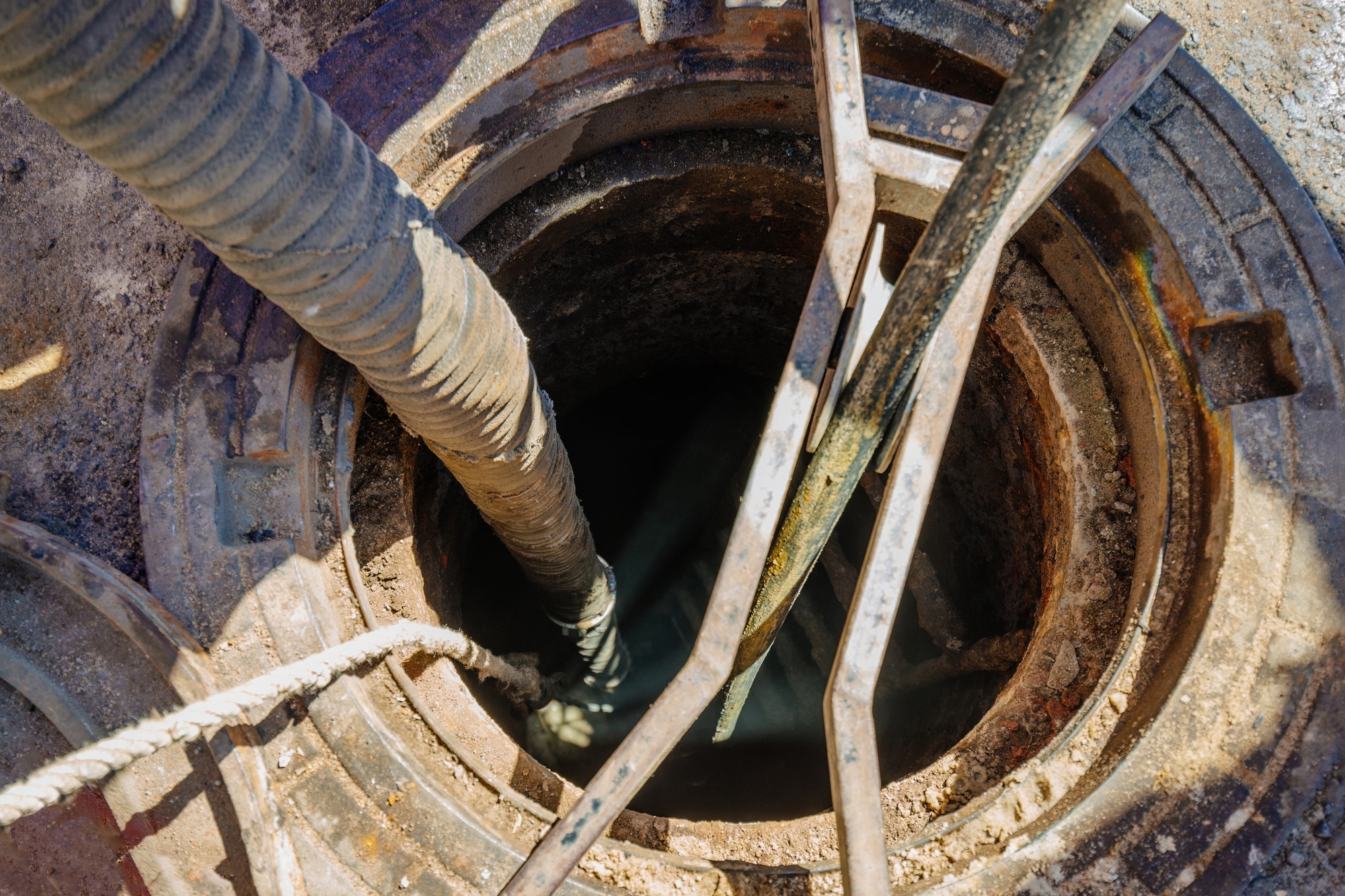
A black water pumping system, often referred to as a sewage pumping station, becomes necessary whenever wastewater cannot flow by gravity to the sewer network or to a treatment plant located at a higher elevation. This is typically the case for basements, underground rooms, parking garages, below-grade technical spaces, but also for industrial facilities and production areas where the hydraulic profile does not allow sufficient slope—or where the public sewer line is above the building discharge point.

In other words, sewage pumping systems are designed to lift and transfer wastewater to a higher elevation. They are essential in all situations where gravity drainage alone is not possible. At Idro Group, we design and supply solutions for wastewater lifting and management, supporting system sizing based on flow rate, total dynamic head, and operating conditions.


What is black water?

Black water refers to wastewater that includes toilet discharge and, more broadly, wastewater with the highest organic and microbiological load. In technical and regulatory terms, it corresponds to sewage and wastewater conveyed to a sewer network. It may be domestic, industrial, or mixed (municipal/urban).

Italian Legislative Decree D.Lgs. 152/2006 defines:

  • Domestic wastewater as wastewater generated by residential or service facilities and primarily resulting from human metabolism and household activities.
     
  • Industrial wastewater as wastewater discharged from buildings or facilities where commercial or production activities take place, excluding domestic wastewater and stormwater.
     

This distinction matters when selecting and designing a black water pump, because industrial (or “assimilated”) wastewater may contain solids, fats, aggressive substances, or variable loads that directly impact pump selection, construction materials, pre-treatment requirements, and long-term operation.


How a black water pumping system works

A typical sewage pump system is made up of:

  • Collection / storage tank (wet well)
    A sealed sump pit or prefabricated watertight tank that receives wastewater before pumping.
     
  • Electric pumps, often submersible sewage pumps
    Designed for black water, frequently in a dual-pump setup (duty/standby or alternating) to improve service continuity.
     
  • Level sensors (float switches or probes)
    Used to start/stop the pumps and activate high-level alarms.
     
  • Check valve and isolation valves
    Installed to prevent backflow and allow safe maintenance. Valves used in sewage pumping systems are subject to specific requirements under EN 12050.
     
  • Control panel and automation
    Includes electrical protections, alternation logic, alarms, and optional remote monitoring/telecontrol. Practical guidance on enclosure protection ratings and electrical requirements for pumping stations is also covered in industry technical documentation.
     

Idro Group provides prefabricated solutions for black water pumping designed to integrate the tank, accessories, and level control systems, with the goal of reducing installation errors and speeding up commissioning.


Sizing a black water pump: design criteria and reference standards

To correctly size a black water pump, you need to start from real operating data: what volume of wastewater must be lifted, how variable the flow is throughout the day and to what elevation (or discharge point) it must be conveyed. The first step is estimating the design flow rate, meaning the maximum flow expected under the most demanding conditions. This can vary significantly depending on the building’s intended use (residential, hospitality, industrial) and on the simultaneity of discharges.

The next step is determining the total dynamic head (TDH), which includes not only the vertical lift between the collection tank and the discharge point, but also friction losses caused by piping, bends, valves, and accessories. This calculation is critical to ensure that the pump operates within its optimal performance range, avoiding both insufficient performance and inefficient operation that would result in higher energy consumption and increased wear.

Another important factor is the type of wastewater and the presence of solids: these elements affect the choice of hydraulic configuration and the impeller design (for example vortex, channel, or grinder), as well as the required free passage to reduce the risk of clogging. In non-domestic or “assimilated” applications, it is also advisable to evaluate material compatibility with any substances that may be present in the discharge, as well as with the environmental conditions at the installation site.

In contexts where service continuity is important, system design typically includes redundancy and control measures: two pumps in a 1+1 configuration (duty and standby), automatic alternation, level sensors, and alarm systems. In critical applications, remote alarm systems and emergency power supply may also be considered.

With regard to technical references, the design of building drainage systems is based on the UNI EN 12056 series, while wastewater lifting systems commonly refer to the EN 12050 series. Wastewater classification and environmental/regulatory aspects (domestic vs. industrial discharge, permits, compliance obligations) are defined at national level by D.Lgs. 152/2006.

If you need to install or upgrade a black water lifting system in basements, underground parking garages, below-grade spaces, or industrial environments, contact us. We can support you in selecting the most suitable solution, sizing the tank and pumps (flow rate, head, solids) and defining a preventive maintenance plan aligned with operating conditions and applicable requirements.

Share on